
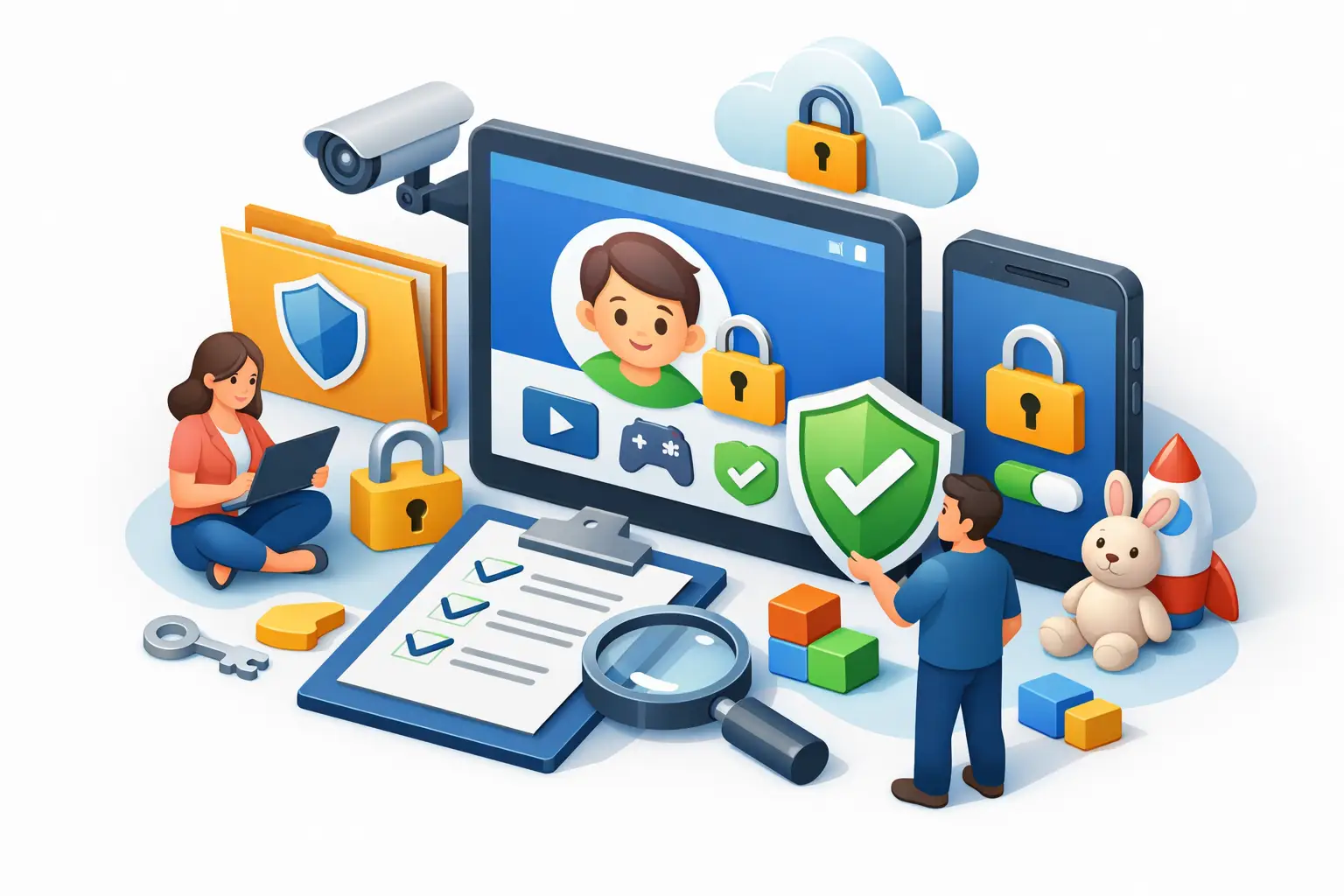
A child’s bedtime story may begin with a favourite animal, a brave choice and a little bit of moonlight. But before adding their name to a digital story, many parents reasonably ask: are child profiles secure? The reassuring answer is that they can be - when the service is designed with children in mind and adults stay in control of what is shared.
A child profile should make storytime feel more personal, not make family information feel exposed. The best experiences collect only what they need to create a meaningful story, give parents clear choices, and treat sharing as something intentional rather than automatic.
Are child profiles secure? It depends on the safeguards
No online account comes with a blanket guarantee. Security depends on two things working together: the care taken by the platform and the choices made by the adult managing the account.
For a storytelling service, a child profile might include a first name or nickname, an age range, interests, appearance details, favourite characters or the ingredients that help make a child the hero of their own adventure. Those details are personal, even when they seem small. They deserve the same thoughtful handling you would expect for any family account.
A secure approach starts with purpose. Ask whether each piece of information is genuinely needed to create the experience. A story about a child who loves space does not require a home address, school name, daily routine or full date of birth. Personalisation should feel magical because it reflects a child’s imagination, not because it gathers every detail about their life.
It also depends on who can see and change that information. A child profile should sit within a parent or caregiver’s account, with the adult able to edit, remove or manage it. Young children should not be expected to understand privacy settings, approve requests or make decisions about sharing their own information.
What a family-first profile should offer
When choosing a personalised story app, look beyond the lovely illustrations and the promise of a new adventure. Take a few quiet minutes to explore the privacy information and account settings before creating a profile.
Clear explanations matter. A trustworthy service should explain, in plain language, what information it collects, why it is used, how long it is kept and whether it is shared with anyone else. If the explanation is hard to find or filled with vague wording, pause before adding details about your child.
Parental control matters just as much. You should be able to manage profiles from your own account, update a detail when your child’s interests change, and delete a profile if you no longer want it stored. It should be clear how to delete a story too, especially if a story contains details you would rather not keep in a digital library.
Sharing needs careful design. There is a meaningful difference between saving a story privately in your family library and sending it to a grandparent. A good service makes that distinction obvious. It should not make stories public by default, publish a child’s name in a searchable space, or encourage children to share directly with strangers.
Finally, check whether the service has a dedicated children’s privacy notice. This is a useful sign that the platform recognises children need extra care. It is also worth looking for a simple way to contact the company with a privacy question. Responsible services do not make parents hunt for answers.
Keep profile details gentle and minimal
The most effective way to protect a child’s profile is surprisingly simple: add only the details that make the story better.
A first name, nickname, favourite colour, beloved toy or dream adventure can be enough to make a story feel wonderfully familiar. Your child will still recognise themselves in the brave explorer, kind dragon keeper or woodland detective without including identifying details from everyday life.
Avoid adding information that could reveal where your child can be found or identified offline. That includes your address, school or nursery, full birth date, telephone number, regular activities, and names connected to your child’s location. You may also prefer not to use a full name, particularly if a story could be shared outside your immediate family.
Photos deserve a little extra thought. A photograph can be precious, but it can also contain more information than it first appears to. If a service allows profile images, check who can view them and whether they can be changed or removed. An illustration, avatar or imaginary character can often give a child the same sense of ownership while revealing less.
This is not about making stories impersonal. It is about choosing the details that belong in the adventure and leaving the rest safely at home.
Sharing stories without oversharing
A personalised bedtime story often becomes a keepsake. It is natural to want to send one to a relative, save it for later, or let another caregiver enjoy reading it at bedtime. Sharing can be a lovely extension of the ritual, provided it stays within the circle you intended.
Before sending a story, consider what it includes. Does it use your child’s full name? Does the plot mention a real school, street, family routine or recognisable photograph? If so, a quick edit may make it more comfortable to share.
Use private, direct sharing options where possible, and send stories only to people you know and trust. Be especially cautious about posting personalised stories on public social media, even when the story itself feels innocent. Once an image or text is posted publicly, it can be copied, forwarded or viewed beyond the audience you had in mind.
It can help to set a family rule: stories are for bedtime, close family and trusted carers, not for public feeds. This keeps the focus where it belongs - on connection, imagination and the quiet joy of being read to.
Account security is part of children’s privacy
The safety of a child profile is closely tied to the safety of the adult account that holds it. A thoughtful privacy policy is valuable, but it cannot protect an account that has been left open on a shared device or secured with an easily guessed password.
Choose a unique password for the storytelling account rather than reusing one from another service. A short phrase made from several unrelated words is often easier to remember and harder to guess than a single familiar word. Where available, turn on extra sign-in protection, such as two-step verification.
Keep your mobile phone, tablet and computer updated, particularly if they are used to create or read stories. Updates often fix security issues that could otherwise put account information at risk. If a device is shared at home, sign out when you are finished or use a screen lock that children and visitors cannot easily bypass.
Be alert to unexpected emails or messages asking you to reset a password, confirm account information or download an attachment. It is safer to open the app or type the service address into your browser yourself than to follow an unfamiliar prompt. If something feels unusual, contact the service through its official support route.
Questions worth asking before you create a profile
You do not need to be a privacy expert to make a good decision. A few practical questions can reveal a great deal about whether a service respects family boundaries:
- What information is required, and can I leave out details that are not needed?
- Can I view, edit and delete my child’s profile and stories myself?
- Are stories private by default, and how does sharing work?
- Does the service explain its children’s privacy practices clearly?
- How is my account protected from unauthorised access?
The answers may not be identical for every family. A grandparent who lives far away may make sharing a treasured part of the experience. Another family may prefer to keep every story within one household account. Both choices can be sensible when they are deliberate and supported by clear controls.
A calmer kind of digital storytime
Personalised storytelling works best when parents remain the guide. You choose the details that bring a character to life, decide which stories stay in the family library, and control whether a finished adventure is shared. That is the spirit behind services such as Serene Stories: making a child feel seen at bedtime while respecting the parent’s role as keeper of their digital world.
Security is not meant to take the wonder out of storytime. It creates the quiet confidence to enjoy it. With minimal profile details, careful sharing and a well-protected parent account, your child can be the hero of a magical adventure - and you can keep the real-life details that matter safely in your hands.